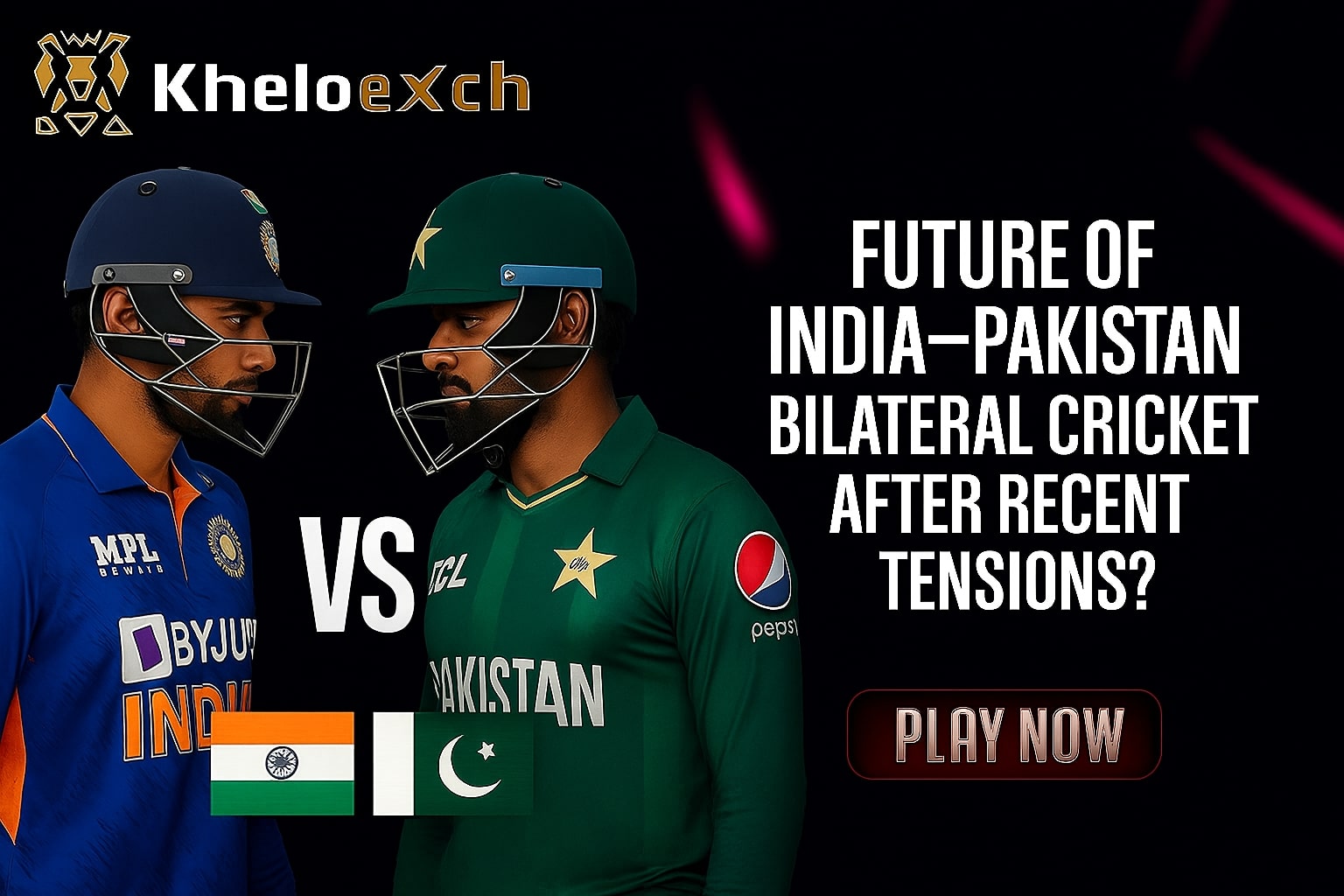
Few rivalries in the sporting world command the global attention that India versus Pakistan cricket does. Every encounter between these two nations transcends sport, becoming an emotional, cultural, and political spectacle. Yet, despite the shared history and passionate fanbases, the future of bilateral cricket between India and Pakistan remains clouded by uncertainty.
Recent tensions—both on and off the field—have reignited discussions about whether these two cricketing giants can once again share a series purely for the love of the game.
The Present Landscape
India and Pakistan last played a bilateral series over a decade ago. Since then, meetings have been restricted to multi-nation tournaments like the World Cup, Asia Cup, and ICC events. The reasons extend beyond cricket—rooted deeply in geopolitical complexities and diplomatic strains.
While the players themselves often share mutual respect and camaraderie, the scheduling of a bilateral series remains caught in a web of political permissions and public sentiment. Each time talks of revival surface, they are quickly overshadowed by national developments that push sporting diplomacy to the background.
In the current climate, with cross-border relations experiencing fresh tensions, the idea of organizing a home-and-away series feels distant, though not entirely impossible.
The Diplomatic Hurdles
Cricket between India and Pakistan has always been tied to diplomacy. Government clearance, public perception, and international positioning all influence whether a series can happen.
- Political Barriers: Relations between the two nations heavily dictate scheduling decisions. Without a stable diplomatic environment, cricket boards find it challenging to plan logistics or announce fixtures.
- Security Concerns: Safety remains a top priority for both boards. Until travel and hosting protocols meet mutually acceptable standards, neutral venues often remain the only viable option.
- Public Opinion: Fan sentiment can be polarized. While many call for sporting ties as a path to peace, others believe national security should take precedence over cricketing nostalgia.
These hurdles make bilateral cricket less of a scheduling issue and more of a political balancing act.
The Role of Global Cricket Bodies
The International Cricket Council (ICC) and the Asian Cricket Council (ACC) have often acted as mediators, ensuring that India and Pakistan at least face each other in multinational tournaments. These matchups generate immense viewership and financial returns, proving that the rivalry’s appeal remains undiminished.
However, even global cricket bodies tread cautiously. While they encourage participation in global events, they refrain from pushing for bilateral series due to the political sensitivities involved. In many ways, the rivalry’s existence has been confined to controlled environments rather than free scheduling.
The Economic Reality
There’s no denying that an India–Pakistan series would be a financial blockbuster. Broadcasters, sponsors, and sporting bodies know that few events can rival the commercial value of such encounters. Ticket sales, broadcast rights, and merchandise revenue would skyrocket.
Yet, despite the clear monetary incentives, both boards have refrained from pursuing it aggressively. The BCCI, in particular, has maintained that bilateral cricket cannot resume without governmental approval. Meanwhile, the PCB continues to express interest, viewing such matches as a chance to strengthen the regional cricket ecosystem.
Thus, while the business case remains strong, the political equation continues to outweigh economics.
The Players’ Perspective
On the field, mutual admiration between players from both sides has always been evident. Indian and Pakistani cricketers have publicly praised each other’s skills, often referring to their encounters as learning experiences. The handshake moments, shared smiles, and post-match interactions reflect a sense of professional respect that transcends rivalry.
For many players—especially younger ones—the opportunity to play a bilateral series represents a dream scenario. They see it as a chance to experience one of cricket’s purest rivalries while building sportsmanship across borders.
This player-to-player goodwill remains one of the few constants even as political dynamics fluctuate.
The Fans: Divided but Hopeful
Fan reactions to the idea of an India–Pakistan series remain complex. A large section yearns for the nostalgia of 2004 and 2006 tours—when full stadiums, intense competition, and cultural exchange defined cricket’s golden chapters.
At the same time, segments of the fanbase express caution, linking sports engagement with broader political contexts. The contrast between emotional connection and pragmatic realism mirrors the dual nature of public sentiment surrounding this rivalry.
Social media trends following recent matches show how passionate yet polarized this conversation remains. The longing for competition is often balanced by concerns about timing and sensitivity.
What the Future Holds
Looking ahead, a few possibilities exist:
- Neutral Venue Matches: If direct tours remain off the table, venues like Dubai or Colombo may host limited-overs contests under multinational umbrellas.
- Bilateral Revival through Diplomacy: Should diplomatic ties thaw, cricket could once again serve as the first bridge of goodwill—as it has in the past.
- Sustained ICC Encounters: For the foreseeable future, global tournaments will likely remain the primary setting for the rivalry.
The reality is that the relationship between cricket and diplomacy remains intertwined. Until there is broader political alignment, India–Pakistan bilateral series may continue to remain aspirational rather than immediate.
Final Thoughts
The India–Pakistan cricket rivalry is more than sport—it’s emotion, memory, and national identity intertwined. While recent tensions have dimmed hopes for a near-term bilateral series, the enduring respect between players and the passion of fans ensure the dream never fully fades.
Cricket has historically served as a soft bridge between nations, and perhaps in the future, it may again pave the way for renewed engagement.
For fans tracking every development, opinion, and trend around this storied rivalry, the Kheloexch platform provides detailed updates, match insights, and cross-border cricket analysis. Meanwhile, through the Kheloexch 99 community, readers can explore expert opinions, historical data, and discussions that keep the essence of this timeless cricketing connection alive—proving that even in divided times, the love for the game remains united.